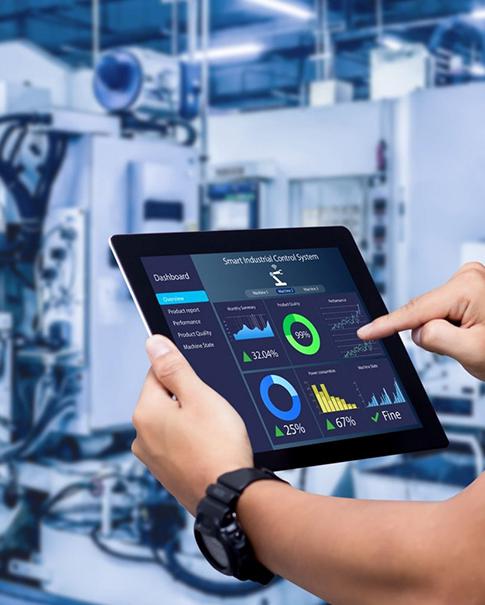
Smartphones sit in our pockets. Connected devices fill our homes and buildings. ARM processors form the core of all this modern smart tech. Their energy efficiency stems from the Reduced Instruction Set Computing (RISC) architecture. This makes them the top pick for running Internet of Things (IoT) setups, wearables, and built-in systems.
Rather than prioritizing maximum peak performance, most ARM processors are optimized for performance-per-watt efficiency. Instead, they give the exact performance needed while using the least energy possible. Businesses and developers work in the IoT world. They need to grasp the pluses and minuses of ARM processor designs. This knowledge helps them pick the best setup for their projects.
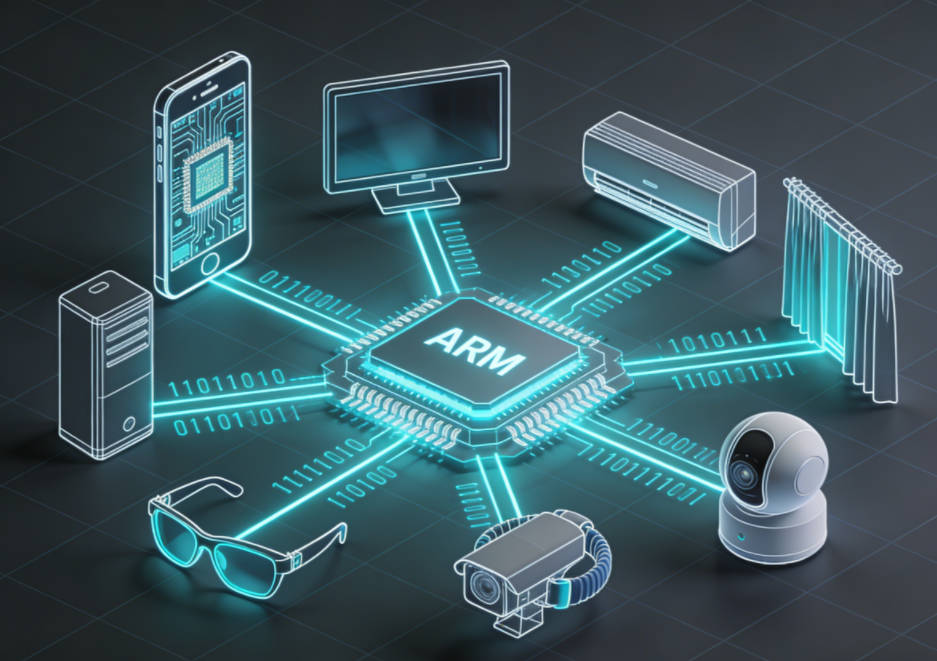
Uniwin-Global and Smart Systems
Uniwin-Global focuses on creating smart system solutions. We use the strength and adaptability of ARM processors. Our full product range covers intelligent intercom systems, facial recognition terminals, and embedded motherboards. Everything draws on ARM’s key strengths. This brings steady, expandable tech for everyday use.
Key Advantages of ARM Processors
Low Power Consumption
ARM processors use a RISC setup. This cuts down on complex instructions and speeds up work. As a result, they use much less power than detailed designs like x86. IoT devices run nonstop or on batteries. For example, the WR501 5-inch attendance terminal benefits directly from ARM’s low-power design. For these, the power savings mean longer run times and fewer fixes. The access control system has a dual-lens wide dynamic camera. It handles tough spots with bright and dim light. It offers quick recognition, high accuracy, and a big face database (supports 5000 to 20000). Power savings keep these parts working well without wasting energy.
High Efficiency Performance
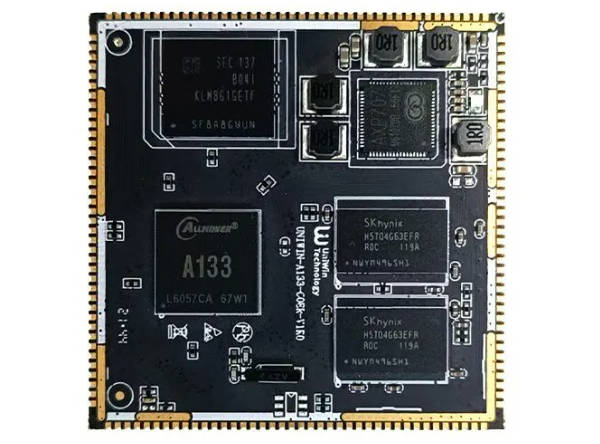
ARM processors excel at latency-sensitive and moderately compute-intensive workloads. They respond fast. Take our Allwinner A133 motherboard. It has a quad-core 64-bit A53 processor. It runs up to 1.6GHz. This is enough for real-time intercom talks or facial recognition in devices like the WO501 Smart Life Video Intercom & 5-Inch AI Access Terminal.
- Quad-core 64-bit A53 core, up to 1.6GHz main frequency.
- Supports single-channel or dual-channel LVDS dot screen or 1-channel MIPI screen.
- Stable Android system, providing rich custom APIs to facilitate customer application development.
This kind of smart performance lets Uniwin-Global devices handle quick facial checks, smooth intercom chats, and instant processing.
Cost Effectiveness
ARM processors have a basic chip layout. This lowers production costs. For makers like us in OEM/ODM work, it means cheaper final products. The SH518 motherboard is a representative example of this cost-performance balance. It does dynamic face recognition for up to 5,000 users. It also handles many entry ways (card swipe, fingerprint, etc.). All this stays budget-friendly. By cutting costs without losing features, we open up advanced smart systems to more fields and areas.
Scalability and Flexibility
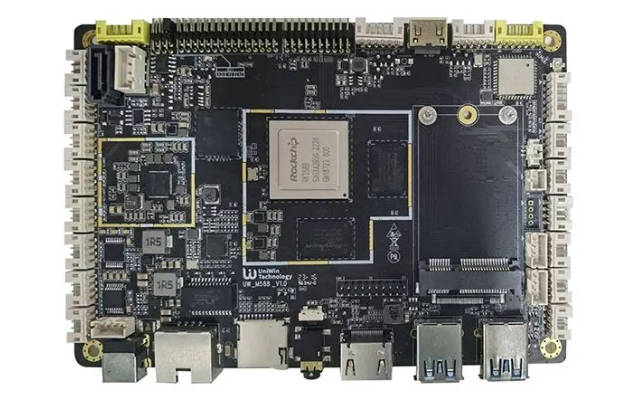
ARM processors come in many types. Some are basic controllers for sensors. Others are strong SoCs like the Rockchip RK3588. This one drives our top M588 motherboard.
- RK3588 (Cortex-A76x4+ Cortex-A55 x4) 6-core, with up to 6 TOPS of AI computing performance (NPU).
- Main frequency up to 2.4GHz, meeting performance and AI algorithm requirements.
- Stable Android12 system, providing rich custom APIs to facilitate customer application development.
This range lets Uniwin-Global fit hardware just right for what customers want. It could be a small WI704 indoor monitor for villa intercoms. Or it might be a tough attendance system spread over school grounds.
Why ARM Is Ideal for Uniwin-Global Devices
Tailored for IoT Needs
ARM’s main plus—low energy in a tiny size—fits IoT perfectly. Devices like the WO501 (5-inch outdoor station) have strong bio checks. They also manage heat and space well. WO501 binocular face recognition terminal supports audio and video intercom based on SIP protocol, adapts to harsh environments such as strong light and weak light, has a fast recognition speed, and high accuracy. These perks let us place solutions in places from home areas to clinics and job sites.
Minimal Impact from Limitations in Smart Systems
Uniwin-Global builds products for set tasks, not all-around computing. So weak spots like old software mismatches or less top power matter little. We craft firmware for each hardware. This brings full fit and steadiness in every case. Compatibility issues are managed through custom firmware solutions. Plus, we set software rules inside for platforms like Android/Linux/Kylin OS. This stops split issues early for customers.
Strategic Alignment with Innovation Goals
ARM’s future path backs new ideas like edge AI and safe talks. Both matter for today’s smart systems. Our M588 motherboard with RK3588 gives top AI power at 6T. It handles real-time face spotting in big areas. This match helps us speed up builds and lead in tough markets. We deliver full-featured answers quickly.
Conclusion
ARM processors mix steady work, growth options, and low costs well. These match Uniwin-Global’s drive to build fresh IoT answers. We take pride in delivering Android&Linux motherboards, and hardware & software solutions of SIP intercom products, a stop for your project’s needs.
Like any architecture, ARM processors involve certain trade-offs, like software fits or less max power. But our targeted designs handle these weak spots well. Be it face terminals like WR501, top indoor screens like WI704, or strong motherboards like M588, our ARM use makes every item steady, trustworthy, and set for the linked world ahead.
FAQ
Q: What makes ARM processors energy efficient?
A: Their RISC (Reduced Instruction Set Computing) architecture simplifies operations, leading to lower power consumption—perfect for battery-powered devices.
Q: Are ARM processors good for gaming or video editing?
A: Generally, no; they’re optimized for efficiency over raw power, so high-performance tasks are better suited to x86-based chips.
Q: Can I run Windows software on an ARM processor?
A: Some Windows applications may not be compatible without emulation or recompilation, especially legacy x86 software.
Q: Why does Uniwin‑Global choose ARM over other architectures?
A: Because its low power use, scalability, and cost-effectiveness make it ideal for IoT devices where those factors matter most.
Q: Is software fragmentation a big issue with ARM chips?
A: It can be across different vendors, but companies like Uniwin‑Global mitigate this by standardizing their development platforms internally.