In today’s ever-evolving world of IoT and smart security, fluctuating memory prices pose a significant challenge for manufacturers of AI-powered devices. The global semiconductor shortage creates volatile procurement costs and supply chain disruptions that can deeply affect product performance, quality, and availability. For smart hardware manufacturers, such as those producing AI access terminals, ensuring consistent, high-performance operation amidst these uncertainties is crucial.
At Uniwin-Global, we built our top WO501 5-inch Smart Life Video Intercom to stand firm against these market waves. Through a smart setup that features built-in DDR and backing for SPI NAND, we make sure our customers get a strong AI terminal that stays steady amid the wild swings in part costs.

Navigating the Volatile Memory Shortage Market
Impact on Device Procurement Costs
The price of Dynamic Random-Access Memory (DRAM) and Flash storage can make up a large share of the Total Bill of Materials (BOM) for any smart gadget. During a memory shortage market, these prices might jump suddenly. This sends waves through the whole supply chain. For lots of IoT suppliers, such changes bring uncertain costs to final buyers. In bad cases, certain hardware types just vanish from shelves.
Supply Chain Risks for Manufacturers
Cost issues aside, the shaky parts market brings shipping delays. If a maker depends on outside, large-capacity RAM modules that run low, assembly lines can stop cold. We’ve noticed that many in the field do “spec-swaps.” They switch high-end memory for basic versions to keep deliveries going. But this hurts the quality of AI processes.
Why AI Terminals Demand Robust Memory
Powering Real-Time Face Recognition
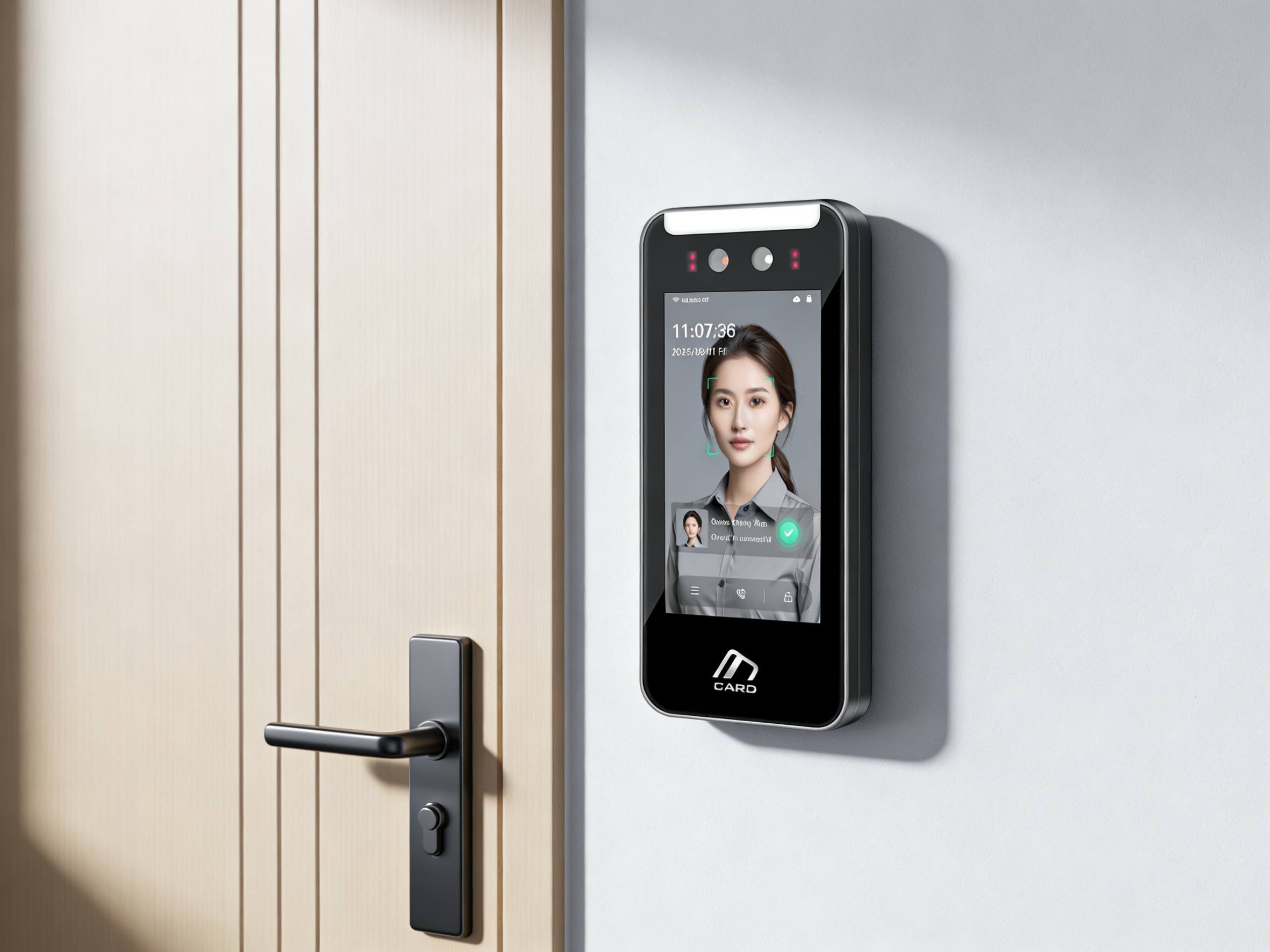
The WO501 goes beyond a basic intercom. It serves as an advanced AI access terminal with wide-dynamic binocular cameras for face recognition. To handle these tasks live, it needs fast memory access to deal with image frames. It must check them against a local database and run liveness checks—all within 1 s. If memory gets slowed or cut back for cost reasons, recognition times lengthen. This leads to user annoyance and gaps in security.
Sustaining High-Definition SIP Video
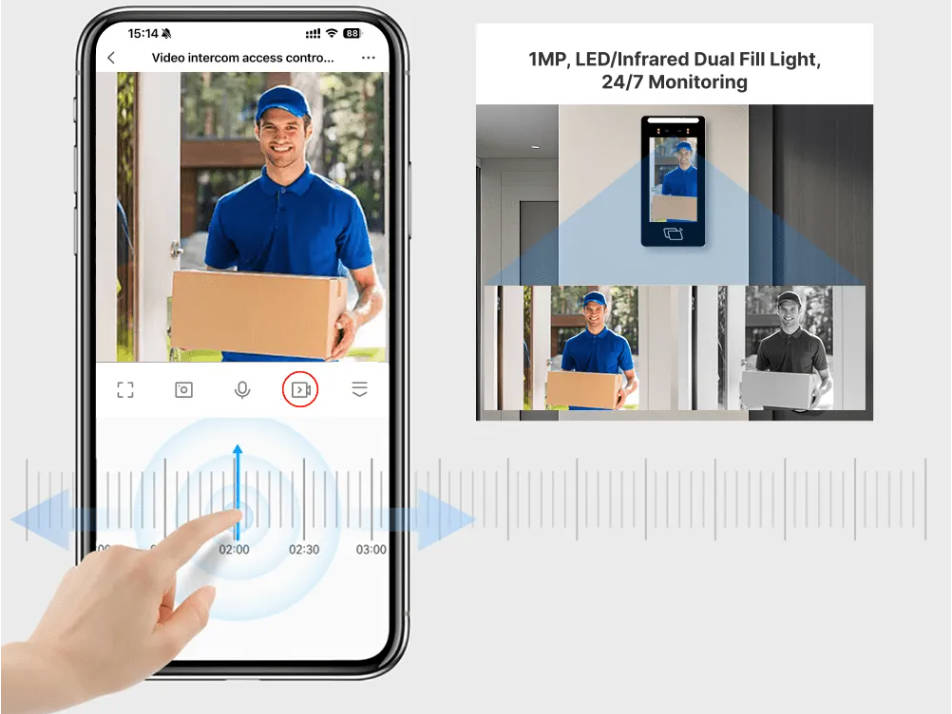
Today’s smart communities count on SIP audio and video intercom technology for smooth talks between outdoor posts and indoor screens. The WO501 uses the SIP method to offer clear video links to phone apps or indoor devices. This involves intense video compression and playback (H.264/H.265). Such work puts steady pressure on the system’s memory. Our memory setup keeps these main contact features running smoothly without delays. It holds up no matter the state of the worldwide memory trade.
WO501 Advantage: Built-in DDR and SPI NAND
Eliminating Performance Drops
The key to the WO501’s dependability rests in its main chip design. Platforms we use, like the EEASYTECH series, include built-in DDR. We fit the memory right into the System on Chip (SoC) or apply a System-in-Package (SIP) approach. This cuts out the reliance on outside RAM chips that face the worst memory price fluctuations. So, the WO501 keeps its 1GB or 2GB memory level steady. We never need to rework the PCB or lower specs because of shortages.
Enhancing Reliability with SPI NAND
Memory stability matters, but so does storage. The WO501 backs SPI NAND flash. It acts as a solid and budget-friendly option compared to standard eMMC for certain tasks. SPI NAND gives strong data holding and quicker reads for vital software and face recognition in our Apartment Intercom System Solution. This pair of built-in DDR and SPI NAND lets Uniwin-Global promise top operation for the WO501.
Ensuring Long-Term Supply Chain Stability
Our Commitment to Consistent Hardware
Uniwin-Global started in 2016, we have more than 10 years of research work. We go beyond putting parts together. We craft the industrial motherboards that drive our tools, like the Allwinner and the Rockchip series. This strong know-how lets us maintain supply chain stability. We manage the build from the board stage onward. Pick the WO501, and you get an item with a steady life span and even performance.
Streamlining Global Project Delivery
Our full-service method—which includes hardware, software, and cloud tools—helps us handle big community jobs without hassle. For a fancy villa that needs the WOZ01 small outdoor station, or a tall apartment building using the WO501, our production setup is geared to ship even when the wider market battles part access. We offer full API guides and tailored builds. This makes sure our smart terminals blend right into any current setup.
Conclusion
We saw the problems with memory price fluctuations and the memory shortage market coming last year. That’s why we made the AI access terminal that won’t give ground, like the WO501. For partners and buyers, this is more than hardware. It’s a solid security base that shrugs off the wild turns in the chip economy. We welcome you to try the reliability and fresh ideas that mark the Uniwin-Global name.
Ready to future-proof your AI access terminals and overcome the challenges of fluctuating memory prices? Contact Uniwin-Global today to explore the WO501 and our full range of customizable IoT solutions, designed to meet your specific project needs and deliver unmatched performance. Let us help you build the smart, secure communities of tomorrow!
FAQ
Q: How do memory price fluctuations affect smart access terminals?
A: When memory costs climb or shortages hit, most makers must replace top RAM with cheap, weak parts. This causes slower face recognition, system freezes, and delays in video calls. Uniwin-Global sidesteps this with built-in DDR setups that fix performance no matter the market.
Q: What are the benefits of the built-in DDR architecture?
A: Built-in DDR links the memory straight to the processor. It shields the WO501 from wild price shifts in outside chips. Plus, it lowers power use and boosts signal quality. This way, AI jobs like liveness checks and face matches run at top speed.
Q: Why is SPI NAND used in the WO501 instead of traditional storage?
A: SPI NAND is a tough flash storage pick that fits the software and local records needed for AI access terminals. It strikes a good mix of low cost and strength. The WO501 starts up fast and keeps data safe for face patterns and entry records over the years in outdoor spots.
Q: Can your WO501 be customized for specific project needs?
A: Yes. Uniwin-Global offers broad OEM/ODM help. Since we built the core boards, we can adjust the WO501’s features, add extras, or supply API docs for docking. This ensures it matches the exact needs of your smart community or work site.